Our Approach
We work in partnership with schools, educators, and community organisations to create sustainable, scalable education solutions that address real needs on the ground.
Digital Learning Connections
Primary schools facing teacher shortages can join our shared learning programme. One experienced, qualified teacher delivers the same lesson to multiple schools simultaneously using online platforms.
This innovative approach ensures children continue learning even when local teaching capacity is limited. Teachers use video conferencing and digital learning platforms to reach students across multiple locations, maintaining educational continuity and quality.
How It Works:
- Schools join our digital learning network
- Shared lessons delivered 3-4 hours daily (weekdays)
- Teachers use Google Classroom and video conferencing
- Students complete assignments and quizzes online
- Progress and attendance tracked digitally
- Resources shared across the network
Practical Educational Support
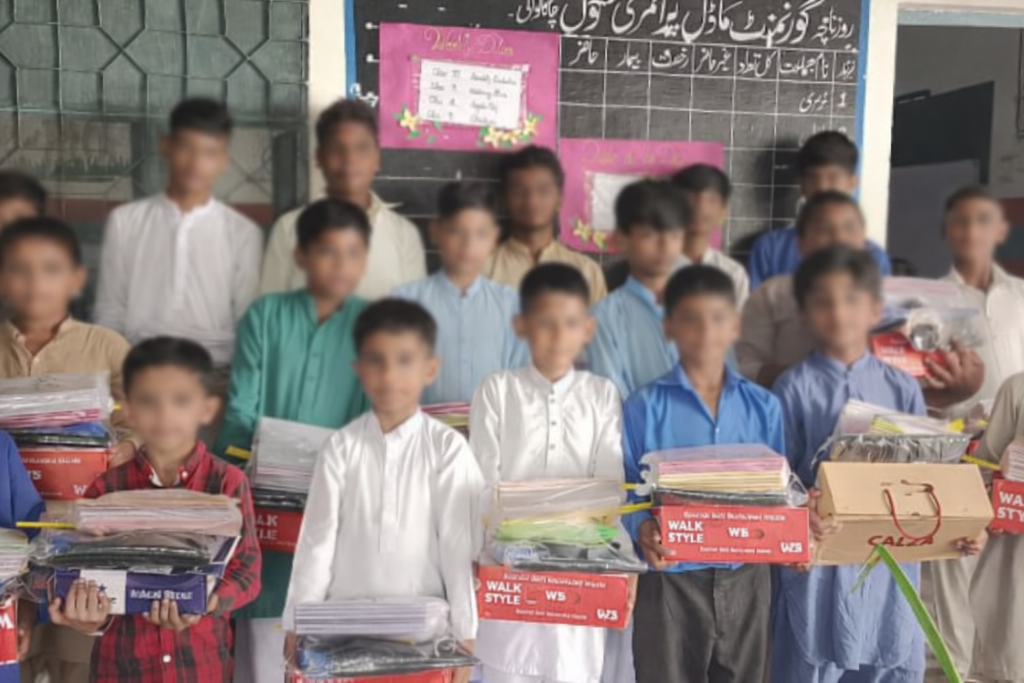
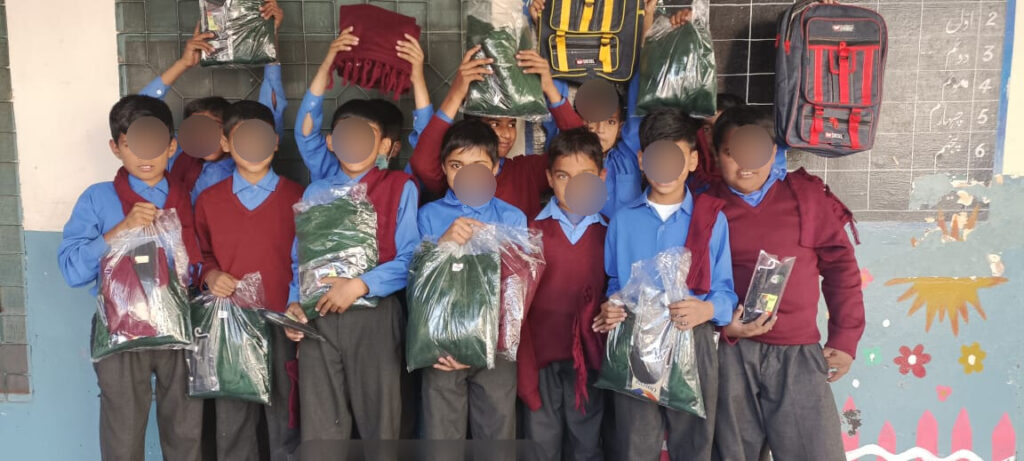
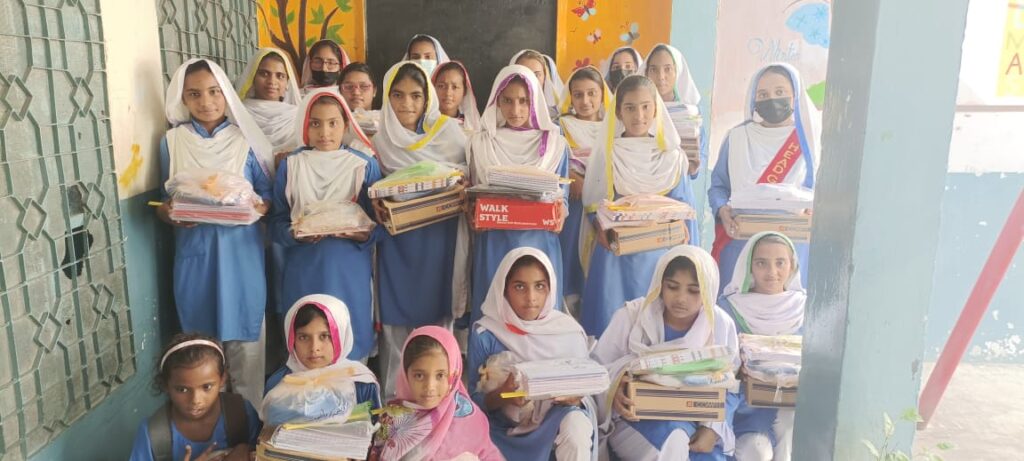
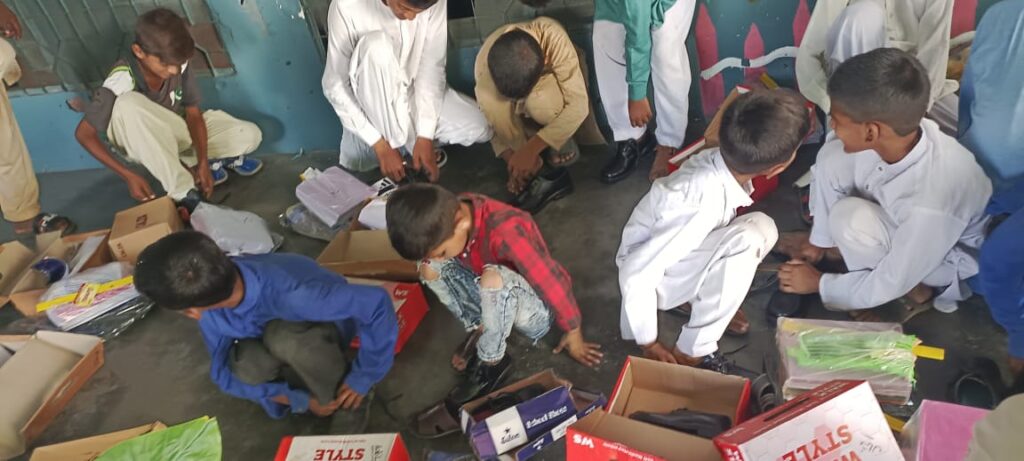
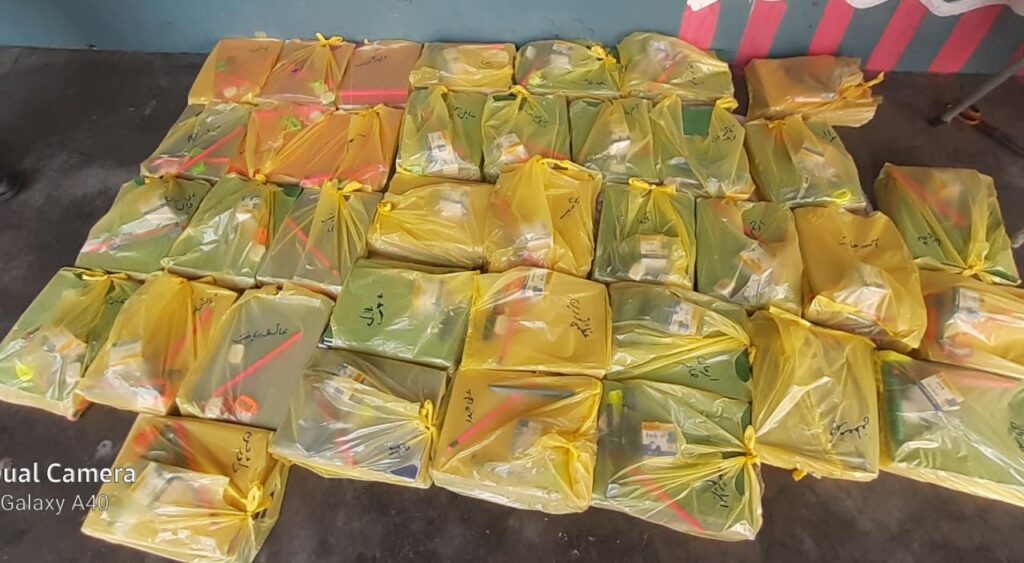
We provide free school uniforms, books, stationery, and essential learning materials to children whose families cannot afford them. This removes the financial barriers that prevent attendance even when schools are officially free.
Our support is delivered through partnerships with local schools and community organisations who help identify children in need and ensure materials reach those who need them most.
What We Provide:
- Complete school uniforms
- Textbooks and workbooks
- Notebooks, pens, pencils, and stationery
- Essential learning materials
- Coordinated through trusted local partners
- Special focus on conflict-affected regions
The Challenge We Address
Millions of children worldwide face barriers to education—not because schools don’t exist, but because of obstacles that make attending school impossible:
Teacher Shortages
Many primary schools, particularly in remote and underserved areas, struggle with critical teacher shortages. Classrooms sit empty, and children miss months or years of education while waiting for qualified teachers.
Financial Barriers
In regions where schools are nominally “free,” families still cannot afford the essential supplies children need to attend: uniforms, textbooks, notebooks, pens, and other basic learning materials.
Conflict and Instability
In conflict-affected regions like Northern Pakistan, families have been displaced, economic opportunities have disappeared, and education systems have been disrupted. Children bear the heaviest burden of these circumstances.
Geographic Isolation
Rural and remote communities often lack access to qualified teachers, quality educational resources, and the infrastructure needed for modern learning.
Where We Work
United Kingdom
Our organisation is registered and managed in the UK, where we coordinate technology, partnerships, and operations.
Pakistan
Our primary education delivery focus is in Northern Pakistan, particularly the Khyber Pakhtunkhwa region. This area has been significantly impacted by conflict and instability, leaving many families struggling to afford education despite schools being nominally free.
We chose this focus because:
- The region has been heavily affected by conflict and displacement
- Teacher shortages are acute in many communities
- Families face severe economic hardship
- Children’s education has been disrupted for years
- Local partners are committed to rebuilding education systems
- The need is urgent and our approach can make immediate impact
While our current focus is KPK, we are building a model that can scale to serve disadvantaged children in other regions as we grow.
Our Values
Equality
Every child deserves access to quality education, regardless of their family’s economic situation or geographic location.
Dignity
We provide support that respects and empowers families, working through trusted partnerships and community channels.
Partnership
We work collaboratively with schools, educators, and community organisations who understand local needs and contexts.
Transparency
We maintain clear governance, financial accountability, and open communication about our work and impact.
Innovation
We use technology creatively to expand educational access and solve real problems facing under-resourced schools.
Who We Serve
Primary School Students
Children in primary education who lack access to qualified teachers or cannot afford essential school materials.
Low-Income Families
Families who cannot afford uniforms, books, and supplies even when school attendance is officially free.
Under-Resourced Schools
Schools facing teacher shortages, limited budgets, or geographic isolation that prevents them from providing consistent, quality education.
Conflict-Affected Communities
Communities in Northern Pakistan and other regions where instability has disrupted education systems and economic opportunities.